

Understanding the science behind loose skin and how advanced treatments can restore firmness
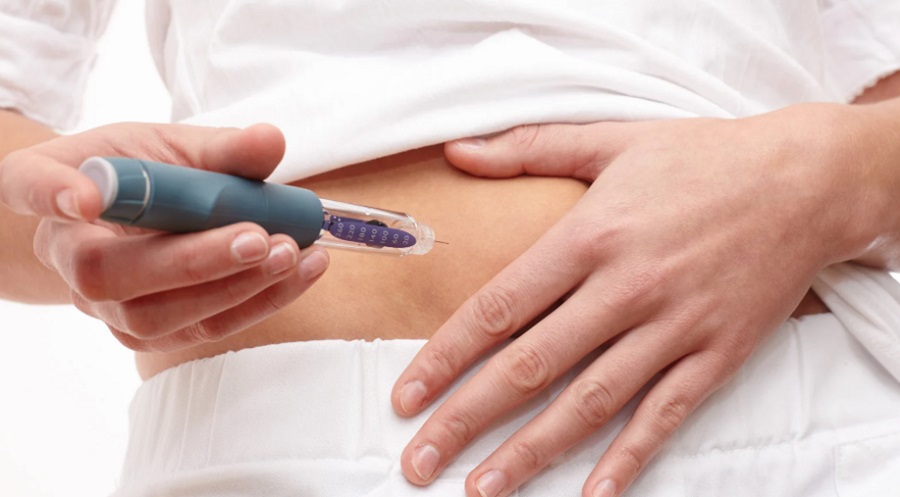
Rapid weight loss, especially with the help of GLP-1 medications such as Ozempic and Wegovy, has become increasingly common. Patients are achieving dramatic results in a shorter timeframe than ever before. While this transformation brings undeniable health benefits, it can also lead to unexpected changes in the skin.
One of the most common concerns after significant weight loss is skin laxity, or loose, sagging skin. Patients often find that even after reaching their ideal weight, their body does not reflect the toned, firm appearance they expected.
In Newport Beach, board-certified plastic surgeon Dr. Siamak Agha, founder of The Aesthetics Centers, helps patients understand why these changes occur and offers advanced solutions to restore smoother, more defined contours.
What Is Skin Laxity?
Skin laxity refers to the loss of firmness and elasticity in the skin, resulting in a loose or sagging appearance. Healthy skin contains collagen and elastin, two essential proteins that provide structure and allow the skin to stretch and recoil.
When these components are compromised, the skin loses its ability to adapt to changes in body size. After rapid weight loss, the volume beneath the skin decreases quickly, but the skin itself may not contract at the same rate.
This mismatch between volume loss and skin retraction leads to excess skin, particularly in areas where fat was previously stored.
“Skin laxity is not a failure of weight loss; it is a natural response of the body to rapid change.”
Why Rapid Weight Loss Affects Skin Elasticity
The speed of weight loss plays a critical role in how the skin responds. When weight is lost gradually, the skin has time to adjust and adapt. However, with rapid weight loss, the skin is often unable to keep up with the shrinking underlying tissue.
GLP-1 medications can accelerate fat loss, making this effect more noticeable. The body puts metabolic changes ahead of structural changes, which can leave the skin behind.
Additionally, prolonged stretching of the skin before weight loss can weaken its elastic fibers. The longer the skin has been stretched, the less likely it is to fully retract after the weight is lost.
This is why patients who lose a significant amount of weight quickly are more likely to experience noticeable skin laxity.
Factors That Influence Loose Skin After Weight Loss
Several factors determine how the skin responds to weight loss. Age is one of the most important. Younger skin typically has higher levels of collagen and elastin, allowing for better retraction.
Genetics also play a role in skin quality and elasticity. Some individuals naturally have more resilient skin, while others may be more prone to laxity.
The amount of weight lost is another key factor. Larger weight reductions often result in more excess skin, particularly in areas such as the abdomen and thighs.
Lifestyle factors, including hydration, nutrition, and sun exposure, can also impact skin health. Patients who maintain a healthy lifestyle may experience better outcomes, though these factors alone cannot prevent significant skin laxity after major weight loss.
Common Areas Affected by Skin Laxity
Skin laxity can affect multiple areas of the body, often simultaneously. The abdomen is one of the most commonly affected regions, where excess skin can hang or fold after weight loss.
The arms are another area where loose skin is frequently observed. This can create both aesthetic concerns and physical discomfort. The thighs, particularly the inner thighs, may also develop sagging skin that affects mobility and clothing fit.
In addition to the body, the face can experience skin laxity as well. Combined with volume loss, this can contribute to a more aged appearance.
Understanding which areas are affected helps guide the most effective treatment plan.
Can Skin Tighten Naturally After Weight Loss?
In cases of mild weight loss, the skin may gradually tighten over time. However, after significant or rapid weight loss, natural tightening is often limited.
While maintaining hydration, following a balanced diet, and engaging in strength training can support overall skin health, these measures cannot eliminate excess skin.
Nonsurgical treatments, such as skin-tightening technologies, may provide modest improvements for patients with mild to moderate laxity. These treatments stimulate collagen production and can enhance skin quality.
For patients with more advanced skin laxity, surgical intervention is typically the most effective solution.
How Plastic Surgery Addresses Skin Laxity
Plastic surgery offers a comprehensive approach to treating skin laxity after weight loss. Procedures are designed to remove excess skin and tighten underlying tissues, creating a smoother and more defined appearance.
A tummy tuck, or abdominoplasty, is one of the most common procedures used to address loose skin in the abdominal area. Arm lifts and thigh lifts target excess skin in the limbs, improving both aesthetics and function.
For patients with more extensive concerns, a body lift may be recommended. This procedure addresses multiple areas at once, providing a more cohesive result.
Dr. Siamak Agha utilizes advanced surgical techniques to ensure that results are natural-looking and proportional. His approach focuses on restoring the body’s contours in a way that reflects the patient’s weight loss achievements.
“Removing excess skin is not just about appearance; it is about restoring comfort, confidence, and balance.”
The Importance of Timing and Planning
Timing is a crucial factor in addressing skin laxity. Patients are typically advised to reach a stable weight before undergoing surgery. This ensures that results are long-lasting and reduces the likelihood of future changes.
A comprehensive consultation allows Dr. Siamak Agha to assess the degree of skin laxity and develop a personalized treatment plan. This planning phase is essential for achieving optimal outcomes.
Patients in Newport Beach benefit from a tailored approach that considers their unique anatomy, goals, and lifestyle.
Long-Term Results and Maintenance
After treatment, maintaining results requires a commitment to a stable weight and healthy lifestyle. While surgical procedures provide long-lasting improvements, significant weight fluctuations can affect the outcome.
Proper skincare, hydration, and overall wellness also contribute to preserving skin quality over time. Patients who take a proactive approach to their health are more likely to enjoy sustained results.
The combination of advanced surgical techniques and ongoing care allows patients to fully appreciate the benefits of their transformation.
FAQs
Why do I have loose skin after losing weight?
Loose skin occurs because the skin cannot contract quickly enough after rapid fat loss, especially when elasticity is reduced.
Can loose skin go away without surgery?
Mild cases may improve slightly, but significant excess skin typically requires surgical removal for effective results.
Does age affect skin laxity after weight loss?
Yes, older patients often experience more skin laxity due to reduced collagen and elastin levels.
What is the best treatment for loose skin?
The best treatment depends on severity. Surgical procedures such as tummy tucks or body lifts are often the most effective.
Conclusion
Rapid weight loss is a powerful achievement, but it often brings changes that require additional attention. Skin laxity is a natural response to significant weight reduction and can affect both appearance and comfort.
In Newport Beach, board-certified plastic surgeon Dr. Siamak Agha at The Aesthetics Centers offers advanced solutions to address loose skin and restore a firm, balanced appearance. His expertise ensures that patients achieve results that align with their goals and reflect their transformation.
Schedule a private consultation with Dr. Siamak Agha at The Aesthetics Centers in Newport Beach to explore how personalized treatment options can help you achieve smoother, more refined results after weight loss.