

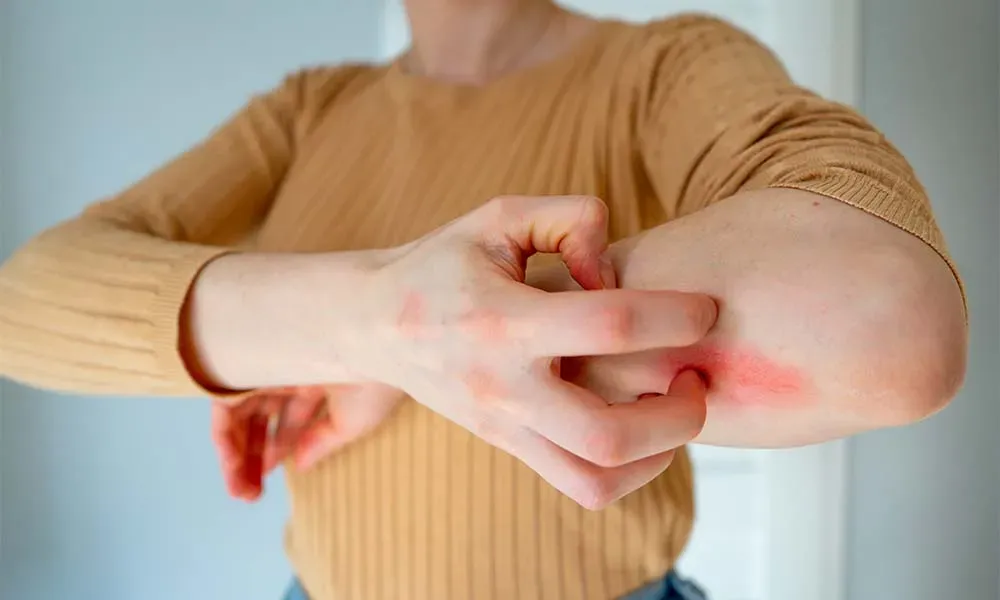
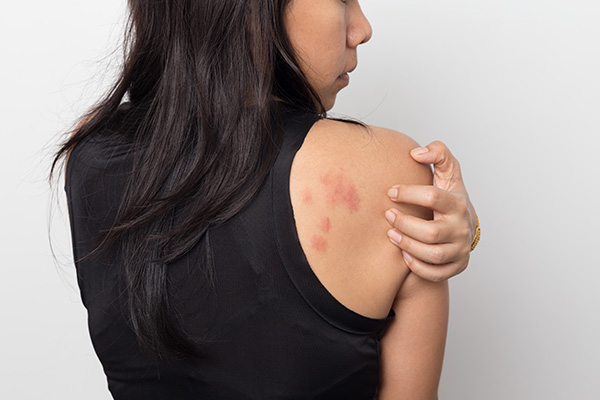
Hives, also known as urticaria, are itchy, raised welts that can appear on the skin as a result of an allergic reaction, environmental factors, or an underlying medical condition. They can vary in size, shape, and color, and can appear anywhere on the body. The asthma and allergies center in Maryland helps educate patients about hives to keep them informed about the condition.
In this article, we will explore the types, causes, symptoms, diagnosis, treatment, and prevention of hives.
The types of hives
- Acute Urticaria: This type of hives lasts for less than six weeks and is usually caused by an allergic reaction, infection, or physical stimulus.
- Chronic Urticaria: This type of hives lasts for more than six weeks and can be caused by an underlying medical condition, autoimmune disorder, or physical stimulus.
Exploring the causes of hives
Hives can be caused by a variety of factors, including:
- Allergic reactions to food, medications, insect bites, or latex
- Environmental factors such as cold, heat, sun, or water
- Infections such as urinary tract infections or strep throat
- Autoimmune disorders such as lupus or rheumatoid arthritis
- Physical stimuli such as pressure, vibration, or exercise
- Certain foods such as nuts, eggs, shellfish, and milk
- Medications such as antibiotics, aspirin, and ibuprofen
Understanding the symptoms of hives
The symptoms of hives can vary from person to person, but common symptoms include:
- Itchy, raised welts that can appear anywhere on the body
- Welts that can change shape, move around, disappear, and reappear over short periods
- Red or skin-colored welts with clear edges
- Blanching, which is when the center of a red hive turns white when pressed
- Symptoms can last anywhere from minutes to months or even years
Effective diagnostic modalities for hives
Hives can be diagnosed by a doctor based on a physical examination and a review of the patient’s medical history. In some cases, the doctor may order additional tests such as:
- Allergy tests to determine the cause of the hives
- Blood tests to rule out underlying medical conditions
- Skin tests to determine the cause of the hives
Unwinding the treatment options for hives
The treatment of hives depends on the underlying cause, but common treatments include:
- Medications
- Antihistamines to relieve itching and reduce the risk of an allergic reaction
- Corticosteroids to reduce inflammation and itching
- Epinephrine injections to treat severe allergic reactions
- Topical creams or ointments to relieve itching and reduce inflammation
- Avoiding triggers such as certain foods, medications, or environmental factors
- Home remedies
- Oatmeal baths to relieve itching and reduce inflammation
- Cold compresses to reduce itching and inflammation
- Aloe vera gel to soothe the skin and reduce inflammation
- Baking soda to neutralize the skin’s pH and reduce itching
- Apple cider vinegar to reduce inflammation and itching
Can you prevent hives?
Yes, you can lower your risk of developing hives. Preventing hives involves avoiding triggers and taking steps to reduce the risk of an allergic reaction. Some ways to prevent hives include:
- Avoiding certain foods, medications, or environmental factors that can trigger hives
- Wearing protective clothing and applying sunscreen when going outside
- Avoiding extreme temperatures and humidity
- Keeping a food diary to track any food allergies
- Avoiding stress and getting enough sleep
When to seek urgent medical care for hives?
If you experience any of the following symptoms, seek medical attention immediately:
- Difficulty breathing or swallowing
- Swelling of the face, lips, tongue, or throat
- Dizziness or fainting
- Rapid heartbeat or palpitations
- Hives that do not improve with treatment
In conclusion, hives are a common skin condition that can be caused by a variety of factors. While they can be uncomfortable and unsightly, there are several treatments and home remedies available to relieve the symptoms. If you experience any severe symptoms or if your hives do not improve with treatment, seek medical attention immediately.