


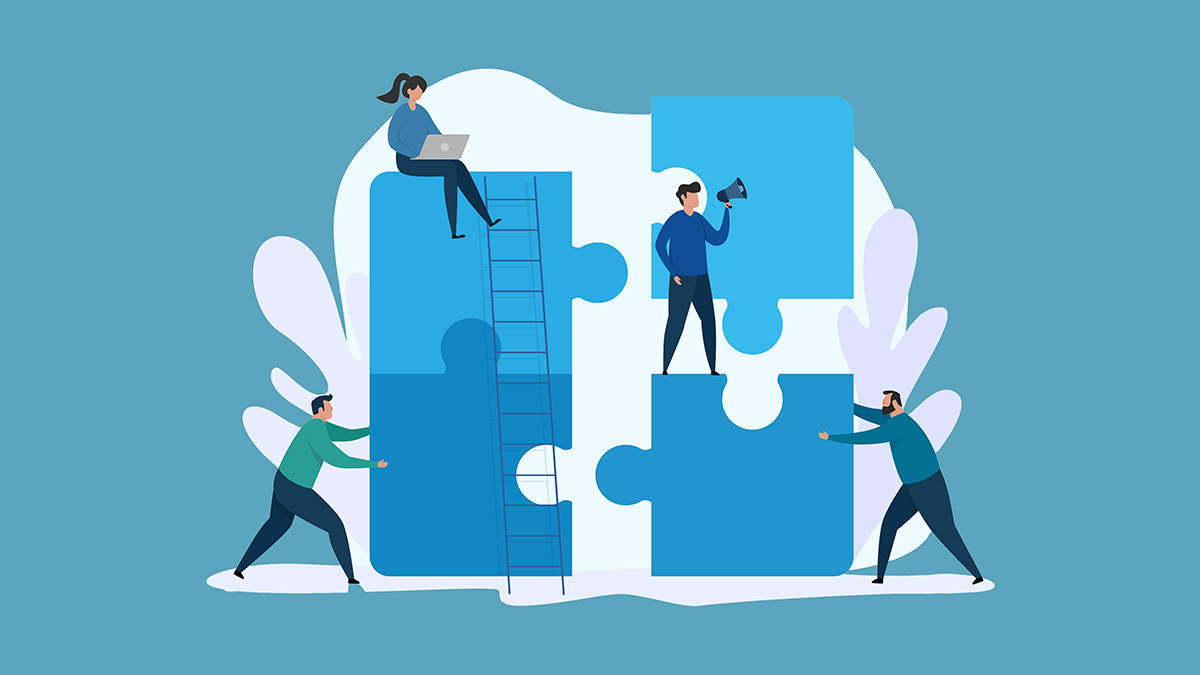
In today’s fast-paced business environment, the importance of mental health in the workplace cannot be overstated. Organizations that prioritize the psychological well-being of their employees not only foster a more positive work culture but also build more resilient and productive teams. Let’s explore how companies can effectively prioritize corporate mental health to create stronger, more adaptable teams.
Understanding Corporate Mental Health
Corporate mental health refers to the collective psychological well-being of employees within an organization. It encompasses various factors, including stress management, work-life balance, and overall job satisfaction. By implementing tqSkills Corporate Mental Health programs, companies can address these aspects comprehensively.
The Impact of Mental Health on Team Resilience
Resilient teams are better equipped to handle challenges, adapt to change, and maintain high performance levels even under pressure. Here’s how prioritizing mental health contributes to team resilience:
- Improved stress management
- Enhanced problem-solving abilities
- Increased adaptability to change
- Stronger interpersonal relationships
- Higher levels of engagement and motivation
Key Strategies for Prioritizing Mental Health
1. Promote Open Communication
Encourage open dialogue about mental health within the workplace. This can help reduce stigma and create a supportive environment where employees feel comfortable discussing their concerns.
2. Provide Mental Health Resources
Offer access to mental health resources such as counseling services, employee assistance programs, and stress management workshops. These tools can provide valuable support to employees facing mental health challenges.
3. Foster Work-Life Balance
Implement policies that support a healthy work-life balance, such as flexible working hours, remote work options, and adequate time off. This can help reduce stress and prevent burnout among team members.
4. Train Leaders in Mental Health Awareness
Equip managers and team leaders with the knowledge and skills to recognize signs of mental health issues and provide appropriate support to their team members.
5. Create a Positive Work Environment
Design workspaces and implement practices that promote well-being, such as incorporating natural light, providing quiet areas for relaxation, and encouraging regular breaks.
Measuring the Impact of Mental Health Initiatives
To ensure the effectiveness of corporate mental health programs, it’s essential to measure their impact. Consider the following metrics:
- Employee satisfaction surveys
- Absenteeism rates
- Productivity levels
- Turnover rates
- Utilization of mental health resources
Overcoming Challenges in Implementation
While prioritizing corporate mental health is crucial, organizations may face challenges in implementation. Some common obstacles include:
- Budget constraints
- Resistance to change
- Lack of awareness or understanding
- Privacy concerns
To overcome these challenges, focus on educating stakeholders about the long-term benefits of mental health initiatives and start with small, manageable steps towards improvement.
The Role of Technology in Supporting Mental Health
Leverage technology to support mental health initiatives:
- Mental health apps for stress management and mindfulness
- Virtual counseling sessions for remote employees
- AI-powered chatbots for initial mental health assessments
- Data analytics to identify trends and areas for improvement
Conclusion
Building resilient teams through prioritizing corporate mental health is not just a nice-to-have; it’s a strategic imperative for modern businesses. By implementing comprehensive mental health programs, organizations can create a supportive work environment that fosters resilience, boosts productivity, and ultimately contributes to long-term success.
Remember, prioritizing mental health is an ongoing process that requires commitment and continuous improvement. As you implement these strategies, regularly assess their effectiveness and be prepared to adapt your approach based on the evolving needs of your workforce.