

Maintaining oral health extends far beyond the surface of a bright smile; it involves protecting the underlying biological structures that support the entire face. When a tooth is lost, the surrounding bone no longer receives the necessary stimulation from the roots during the act of chewing.
This lack of activity leads to a natural biological process known as resorption, where the body begins to reabsorb the mineral content of the jawbone.
Traditional tooth replacement options, such as removable dentures or bridges, only address the visible gap and fail to stop this internal bone loss.
Fortunately, the integration of dental implants offers a sophisticated solution that actively mimics the function of natural tooth roots to maintain skeletal integrity.
1. Understanding the Biological Process of Bone Resorption
The jawbone is a living tissue that requires constant physical stimulation to maintain its density and volume. Without the mechanical stress provided by natural teeth, the alveolar bone begins to deteriorate almost immediately after an extraction or accidental tooth loss.
Over time, this loss of bone height and width can compromise the stability of remaining teeth and make future restorative procedures more difficult.
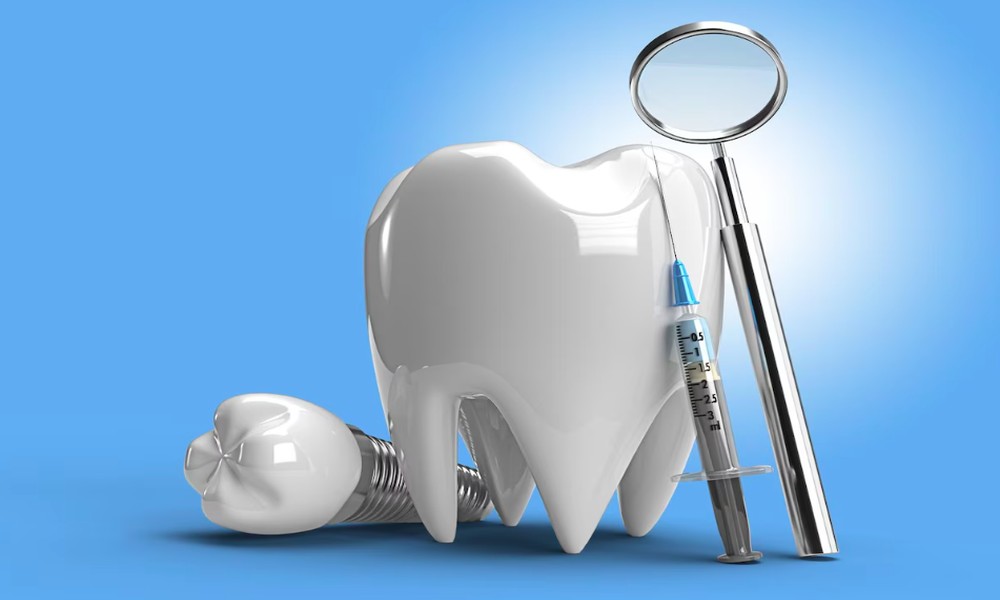
By opting for dental implants, patients provide the jaw with a titanium post that fuses with the living bone, signaling the body to continue producing bone cells and maintaining the foundational strength of the oral cavity.
2. Mimicking Natural Tooth Roots for Optimal Stimulation
The primary reason dental implants are considered the gold standard for tooth replacement is their unique ability to integrate with the human body. Unlike other prosthetic devices that sit on top of the gums, these devices are surgically placed directly into the bone.
This direct connection allows for the transfer of biting forces into the jaw, effectively simulating the presence of a natural root.
This constant stimulation is the only known way to prevent the jawbone from shrinking, ensuring that the mouth retains its original shape and that the mechanical functions of the jaw are preserved for a lifetime.
3. Preventing the Collapse of the Lower Facial Structure
Significant bone loss in the jaw often leads to a phenomenon known as facial collapse, where the distance between the nose and the chin decreases. This structural change results in the skin sagging and the lips losing their natural support, which often creates a prematurely aged appearance.
Utilizing dental implants provides the necessary support to keep the facial dimensions intact. By preserving the height of the jawbone, these restorations ensure that the facial muscles and skin have a solid foundation, effectively preventing the sunken look that is commonly associated with long term tooth loss.
4. Maintaining the Natural Alignment of Adjacent Teeth
When a gap is left untreated, the surrounding teeth tend to shift or tilt into the empty space, which can lead to malocclusion and further bone deterioration. This shifting can cause a chain reaction of dental issues, including increased wear on remaining teeth and potential jaw joint disorders.
High quality dental implants act as permanent anchors that keep the entire dental arch in its proper position.
By filling the void with a stable and permanent fixture, you protect the alignment of your natural teeth and ensure that the distribution of biting pressure remains balanced across the entire jaw.