

Healthy blood flow supports every organ, tissue, and system in the body. When circulation weakens or vessels become damaged, the effects appear gradually. Many people ignore early signals because they seem minor or unrelated.
Over time, those signals get harder to ignore. Recognizing warning signs early allows individuals to seek timely care and avoid unnecessary complications.
In this article, we will focus on 4 signs that suggest underlying vascular concerns. Each section explains what the sign looks like in everyday life and how it affects daily function. Read on!
Persistent Leg Pain or Cramping
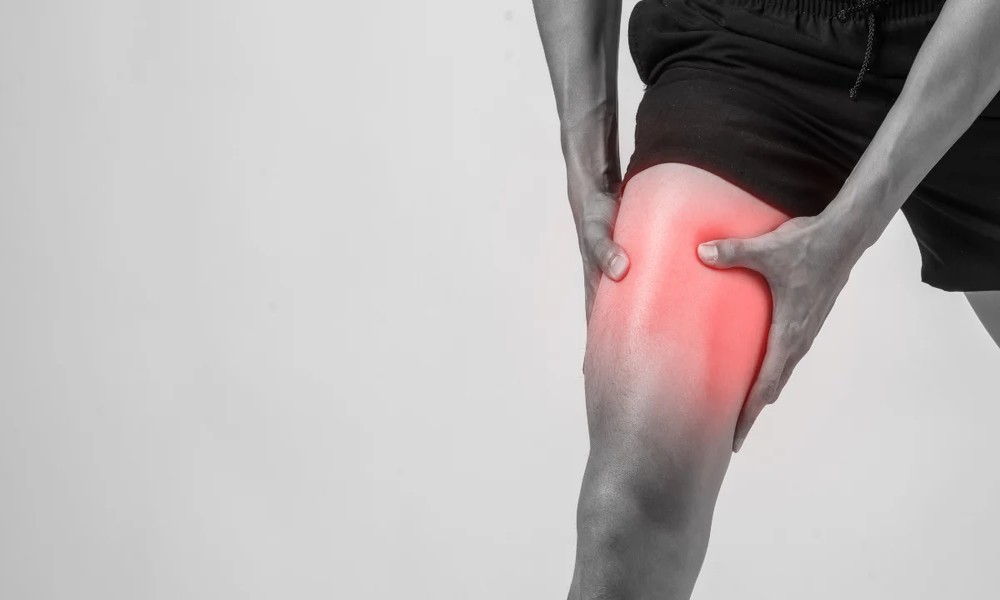
Ongoing discomfort in the legs is one of the most common indicators of circulation problems. This discomfort appears as aching, throbbing, tightness, or cramping, especially after walking or standing for extended periods. The sensation may ease with rest but return once activity resumes.
Leg pain that may require vascular treatment usually follows a pattern. It may start mildly and gradually become more frequent. Many people notice heaviness in the legs by the end of the day, making routine activities feel more demanding than before.
Climbing stairs, walking moderate distances, or standing for work may become uncomfortable. This discomfort does not always present as sharp pain. Dull aches or muscle fatigue that seem disproportionate to activity level often signal restricted blood flow.
Ignoring persistent leg discomfort allows circulation issues to progress quietly. Paying attention to consistency and frequency helps distinguish ordinary soreness from deeper vascular issues.
Swelling in the Legs or Feet
Swelling in the lower extremities often shows circulation imbalance. When blood flow struggles to return efficiently to the heart, fluid can accumulate in surrounding tissues. This swelling appears in the ankles and feet but may extend upward toward the calves.
Swelling related to vascular conditions worsens as the day progresses. After prolonged sitting or standing, shoes may feel tighter, and socks may leave noticeable indentations. Elevating the legs may offer temporary relief, but swelling returns once normal activity resumes.
The skin around swollen areas may feel tight or uncomfortable. In some cases, swelling appears uneven, affecting one leg more than the other.
Visible Changes in Veins
Changes in the appearance of veins and skin provide visible clues to vascular health. Enlarged, twisted, or bulging veins near the surface may indicate weakened vessel walls or faulty valves. These changes commonly appear in the legs and become more noticeable over time.
Skin color changes also signal circulation problems. Areas may appear darker, reddish, or bluish compared to surrounding skin. Discoloration develops gradually and may feel warm or tender to the touch.
Texture changes deserve attention as well. Skin may become dry, thin, or itchy in areas with poor circulation. In advanced cases, small wounds may heal slowly or reopen repeatedly.
Numbness, Tingling, or Cold Sensations
Unusual sensations in the limbs show reduced blood supply. Numbness, tingling, or pins-and-needles feelings may occur intermittently or persist throughout the day. These sensations frequently affect the feet, toes, hands, or fingers.
Cold sensations provide another important signal. When blood flow decreases, extremities may feel colder than the rest of the body, even in warm environments. Wearing additional layers may not fully restore warmth.
These symptoms worsen during inactivity. Sitting for long periods or sleeping may intensify numbness or tingling. Movement sometimes improves symptoms temporarily as circulation increases.