

More adults are choosing orthodontic treatment than ever before. Whether it is crowding, spacing, or bite alignment, straightening teeth is not just for teenagers. If you are considering treatment, one of the biggest decisions is choosing between clear aligners and traditional braces.
Both options can effectively correct alignment issues. The right choice depends on your lifestyle, comfort preferences, and treatment goals. Here is what adults should know when comparing Invisalign and braces.
How Invisalign Works
Invisalign uses a series of custom-made, clear plastic aligners that gradually shift teeth into position. Each set of aligners is worn for about one to two weeks before moving to the next in the series.
The aligners are removable, which means you can take them out for eating, brushing, and flossing. Many adults appreciate the flexibility and discretion of clear aligner treatment options when choosing an orthodontic solution.
How Traditional Braces Work
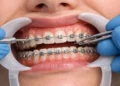
Braces use brackets attached to the teeth and connected by wires. The wires are adjusted periodically to apply consistent pressure and move teeth into alignment.
While modern braces are smaller and more comfortable than older versions, they remain visible. Some adults opt for ceramic brackets, which are less noticeable than traditional metal braces.
Braces are fixed appliances, meaning they stay in place throughout treatment.
Comfort: What Adults Should Expect
Comfort is often one of the first concerns adults raise.
Invisalign Comfort
Invisalign aligners are made of smooth plastic and custom-fit to your teeth. Because there are no brackets or wires, there is typically less irritation to the cheeks and lips.
You may feel mild pressure when switching to a new aligner set. This pressure is a sign that the aligners are working. Most patients describe it as manageable and temporary.
Braces Comfort
Braces can cause some initial soreness after adjustments. Brackets and wires may irritate the inside of the mouth, especially early in treatment.
Orthodontic wax can help reduce friction. Over time, many patients adjust to the sensation of braces.
For adults with concerns about irritation or comfort, Invisalign for adults may feel like a more convenient option.
Appearance: Discretion Matters
Many working professionals prefer a more discreet orthodontic solution.
Invisalign Appearance
Clear aligners are nearly invisible when worn. Most people will not notice them unless they look closely.
This makes Invisalign a popular option for adults who attend meetings, social events, or public-facing roles. The ability to remove aligners temporarily for important occasions is another advantage.
Braces Appearance
Metal braces are more noticeable. Ceramic braces blend better with natural tooth colour but are still visible.
For adults who are less concerned about visibility or who require more complex corrections, braces remain a reliable option.
Maintenance and Oral Hygiene
Oral hygiene plays a critical role in orthodontic treatment success.
Caring for Invisalign Aligners
With Invisalign, you remove the aligners to eat and drink anything other than water. This means no dietary restrictions.
Brushing and flossing are straightforward because there are no brackets in the way. Aligners should be cleaned daily using gentle brushing and rinsing.
For those exploring Invisalign treatment for adults this flexibility is often a key advantage.
Compliance is important. Aligners must be worn 20 to 22 hours per day for effective results.
Caring for Braces
Braces require more attention when cleaning. Food can become trapped around brackets and wires, increasing the risk of plaque buildup.
Patients with braces are often advised to:
- avoid sticky or hard foods
- use specialized flossing tools
- attend regular adjustment appointments
For adults who prefer fewer dietary limitations and simpler routines, clear aligners may feel easier to manage.
Treatment Complexity and Effectiveness
Both Invisalign and braces can address a wide range of orthodontic concerns.
Braces are sometimes recommended for more complex cases involving severe bite misalignment or significant tooth rotation.
Invisalign has advanced significantly and can treat many moderate alignment issues effectively. During a consultation, digital scans and treatment planning help determine whether this approach is suitable for your specific case.
Treatment Duration
Treatment timelines vary depending on the complexity of the case.
Many adult Invisalign treatments range from 12 to 18 months. Braces can have similar timelines, though more complex cases may require additional time.
Consistency plays an important role. With Invisalign, wearing aligners as directed helps keep treatment on track.
Lifestyle Considerations for Adults
When choosing between Invisalign and braces, consider:
Adults who value discretion and flexibility often prefer clear aligners. Those who want a fixed solution without needing to track wear time may lean toward braces.
Making the Right Decision
The decision between Invisalign and braces should be based on a personalized evaluation.
If you are exploring orthodontic treatment and want guidance tailored to your needs, reach out to Cambridge Centre Dental Care.
Located at 355 Hespeler Rd Suite 218, Cambridge, ON N1R 6B3, Canada can help you understand your options and next steps.
Orthodontic treatment is an investment in long-term oral health. Straighter teeth can improve bite function, make cleaning easier, and enhance confidence.