

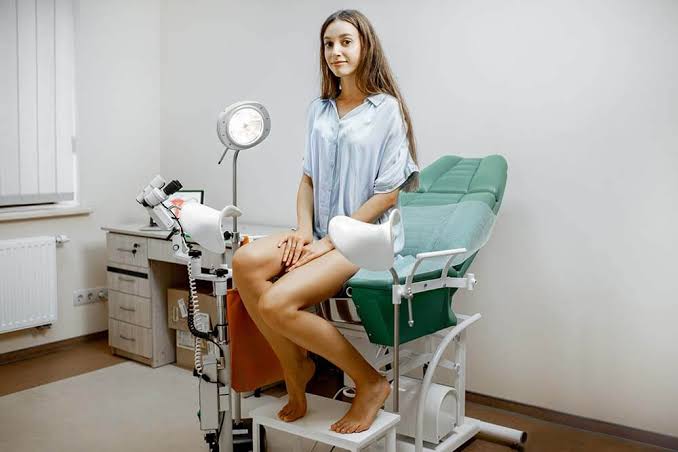
An annual gynecological exam is a routine preventive care appointment that checks the overall health of your reproductive system. It typically includes a pelvic exam, a breast exam, and a discussion of your health history, contraception, and any concerns you have. Depending on your age and history, it may also include a Pap smear and STI screening. Most appointments take 30–45 minutes and feel far less intimidating once you know exactly what to expect.
The honest reason most women dread it: uncertainty. Not knowing what’s going to happen, whether it will hurt, or what questions will be asked creates unnecessary anxiety around an appointment that is genuinely designed for your benefit. Here’s a clear, straightforward breakdown of what an annual gyn exam involves, what gets checked at each stage of life, and what you should actually be asking your doctor.
What Happens During an Annual Gynecological Exam
| Part of Exam | What It Involves | Does It Hurt? |
| Health history review | Doctor asks about your menstrual cycle, sexual activity, contraception, family history, and any symptoms | No |
| Blood pressure and weight | Standard vitals check | No |
| Breast exam | Manual check for lumps, changes in texture, or nipple abnormalities | Mild discomfort at most |
| External pelvic exam | Visual check of the vulva for any sores, irritation, or abnormalities | No |
| Speculum exam | A speculum is inserted to open the vaginal walls so the cervix can be seen | Pressure and mild discomfort — rarely sharp pain |
| Pap smear (if due) | Small brush collects cervical cells to screen for abnormal changes and HPV | Brief mild cramping for some |
| Bimanual exam | Doctor inserts two fingers while pressing on the abdomen to feel ovaries and uterus | Pressure — occasionally uncomfortable if tenderness exists |
The speculum exam is the part most women feel anxious about. A few things that genuinely help: breathing slowly and deliberately, letting your legs go completely limp rather than tensing them, and telling your provider if you feel uncomfortable. Providers adjust based on your feedback — but only if you speak up.
How Often Do You Actually Need One?
The answer depends on your age and what tests are included. The annual visit and the Pap smear are not the same thing — one is an annual wellness check, the other is a specific cancer screening test with its own recommended frequency.
| Age / Stage | Annual Exam | Pap Smear Frequency | HPV Test |
| Under 21 | Yes — annual wellness visit recommended | Not routinely recommended | Not routinely recommended |
| 21–29 | Yes — annually | Every 3 years (if normal) | Not recommended as standalone |
| 30–65 | Yes — annually | Every 3 years (Pap alone) or every 5 years (Pap + HPV co-test) | Every 5 years with co-test |
| 65+ | Yes — annually or as directed | May discontinue if 3 consecutive normal Paps in last 10 years | Discuss with provider |
| Post-hysterectomy | Depends on reason for surgery | May not be needed if cervix removed and no history of cervical cancer | Discuss with provider |
| Pregnancy | OB visits replace standard gyn exam during pregnancy | Pap done at first prenatal visit if due | As appropriate |
Pap smear guidelines changed significantly in recent years — many women still go in expecting one every year and are surprised to learn they may only need it every 3–5 years. This is not a sign that the screening matters less. It reflects improved understanding of how cervical cell changes develop over time. Your annual gyn visit still happens every year regardless of your Pap schedule.
What Gets Screened at Each Life Stage
| Life Stage | Key Focus Areas |
| Teens and early 20s | Menstrual health, contraception counselling, STI screening, HPV vaccination if not yet received |
| 20s and 30s | Cervical cancer screening, reproductive planning, sexual health, checking for fibroids or endometriosis |
| 40s | Perimenopause awareness, breast health, bone density discussion, thyroid function, updated family history review |
| 50s and beyond | Menopause management, osteoporosis screening, cardiovascular risk, ongoing cancer screening |
| Any age with symptoms | Irregular bleeding, pelvic pain, unusual discharge, painful intercourse — these warrant a visit regardless of when your last appointment was |
Questions Worth Asking at Your Appointment
Most gynecological appointments are 30 minutes. Providers move efficiently, which means your questions can easily get pushed aside unless you bring them up directly. Write them down before you go.
- Is my menstrual cycle pattern normal for my age, or should we investigate further?
- Do I need any vaccines — HPV, hepatitis B, or others — based on my history?
- Should I be screened for STIs, and if so, which ones are relevant for me?
- Are there any symptoms I should be watching for between now and my next visit?
- Is my current contraception still appropriate for my age and health status?
- What should I know about fertility preservation if I’m considering it?
- Are there any family history factors that should change my screening schedule?
What to Do Before Your Appointment
| Preparation | Why It Matters |
| Schedule mid-cycle if possible | Avoid the few days before and during your period for Pap smear accuracy — though the exam itself can happen anytime |
| Avoid intercourse, douching, or vaginal products for 24–48 hrs before | These can affect Pap smear results and the visual appearance of vaginal tissue |
| Write down your last menstrual period date | Your provider will ask — LMP is used to assess cycle regularity and guide recommendations |
| List any current medications and supplements | Hormonal medications, blood thinners, and even herbal supplements are relevant to your gyn care |
| Note any symptoms you’ve been experiencing | Even things that seem unrelated — pelvic pressure, changes in urination, mood changes near your period |
| Know your family history | Mother, sisters, or maternal relatives with ovarian, uterine, or breast cancer changes your screening recommendations |
The Appointment I Almost Rescheduled Four Times
I’m going to be honest: I went three years without a gyn appointment in my late twenties. Not because I was afraid. Mostly because I kept thinking I’d get around to it, and then life would happen, and the appointment would get pushed back another few months.
When I finally went, I mentioned almost as an aside that I’d been having heavier periods than usual for about eight months. I’d normalised it — assumed it was stress, or age, or just how things were now. My provider did a quick ultrasound at a follow-up appointment and found two small fibroids. Not dangerous, not requiring immediate treatment, but worth monitoring and explaining months of symptoms I’d been quietly tolerating.
The thing that stayed with me: she said fibroids are extremely common, often entirely manageable, but frequently go undiagnosed for years because women either don’t mention symptoms or don’t come in. She wasn’t saying this to alarm me. She was saying it to explain why the annual exam exists — not to find catastrophic illness, but to catch the ordinary things that accumulate quietly and respond well to early attention.
I stopped rescheduling after that.
Common Concerns — Answered Directly
| Concern | Honest Answer |
| ‘I’m not sexually active — do I still need one?’ | Yes. Gynecological health isn’t only about sexual activity. Ovarian cysts, fibroids, hormonal issues, and cancer don’t care about your relationship status. |
| ‘What if my provider judges me for my choices?’ | A good gyn provider doesn’t. If yours does, find a new one — this is a non-negotiable aspect of good care. |
| ‘It will hurt too much’ | For most people, it’s uncomfortable rather than painful. If you have a history of trauma, vaginismus, or significant anxiety, tell your provider before the exam — there are ways to adapt the approach. |
| ‘I’m overdue — what if they find something bad?’ | Earlier detection consistently leads to better outcomes. The anxiety of wondering is harder than the appointment itself. |
| ‘I feel fine — do I really need it?’ | Many conditions that benefit from early detection have no symptoms. ‘Feeling fine’ is not the same as ‘being fine.’ This is what preventive care is for. |
Final Thought
An annual gynecological exam is one of the most straightforward investments in your long-term health. It takes less than an hour, it’s covered by most insurance plans as preventive care, and it gives both you and your provider a baseline of what’s normal for your body — which makes anything that changes much easier to identify and address.
If you’re overdue, make the appointment today. Not because something is probably wrong. Because the point of preventive care is that you don’t wait until something is.