

Skin cells normally work in harmony to protect the body from infection. Epithelial and keratinocyte cells line the outside of the skin. There are nerves, sweat glands, hair follicles and immune system cells including dendritic cells beneath this layer. When immune cells in the skin overreact to a substance, called allergens, it’s called allergic contact dermatitis or skin allergy. These allergens contain small molecules called hapten that bind to immune system proteins on skin cells. If a dendritic cell marks this allergen as dangerous it recruits the T-cell to attack the allergen. The T-cell becomes a killer T-cell, a white blood cell armed with cytotoxins to attack the allergen. It takes a cell a little time to duplicate itself for a stronger reaction and that is why skin allergic reactions can take a few days to emerge. This is also the reason why the second exposure leads to a quicker reaction. When the killer T-cells encounter their target allergen they release their cytotoxins. The cytotoxins also harm the skin cells and destabilize surrounding tissue causing irritation, discomfort and pain in the skin.
The common types of skin allergies are-
- Eczema- Eczema is a skin condition that causes dry, itchy and red patches of skin. It can affect the whole body or just one part of the body such as the hands or face. The cause of eczema is not fully known but many factors may play a role in causing this condition including genetics, abnormal behavior of the immune system and environmental factors. The symptoms of eczema vary from person to person. Rashes appear on the body which may lead to further infection and inflammation. The diagnosis of eczema does not need any lab test. The dermatologist reviews the skin and medical history. The line of treatment starts with lifestyle changes such as changes in diet. The doctor might prescribe a corticosteroid cream for eczema and antibiotics if the case is severe. If there are open sores and cracks the doctor might also prescribe an antibiotic cream.
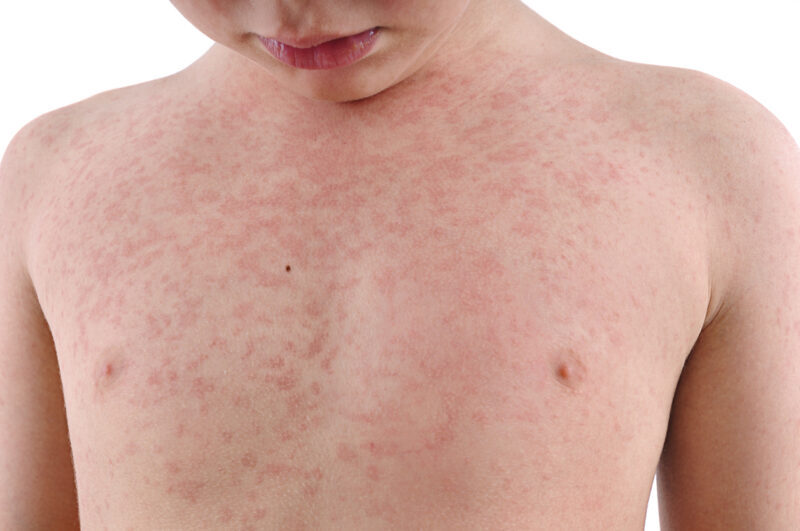
2. Hives- Hives are outbreaks of swollen rashes that appear on the surface of the skin. They usually appear red and bumpy because of various reasons. The rash that is marked by hives can be extremely itchy and spread across large areas of someone’s body. They may also burn and sting. They can appear anywhere on the body including the ears, arms, hands, fingers, legs, feet, toes. Hives vary in size and shape and may join to form larger areas known as plaques. They typically last a few days and do not leave any long-lasting skin changes. About 20 percent of people are affected at some time in their life. Also known as urticaria, hives are not contagious. Antihistamine is usually prescribed to provide relief from symptoms. They are taken regularly for several weeks. They help by blocking the effects of histamines. When antihistamines don’t provide relief, oral doxepin may be prescribed. Methotrexate can also treat chronic urticaria and is best suitable for an Indian setting. It is a cheap and most viable option for dermatologists.
3. Contact dermatitis- Skin rash due to contact with a substance is called Contact dermatitis. It causes swelling and severe itching of the skin. It may also lead to blisters and fissures. In severe cases, contact dermatitis may lead to skin ulcers. There are two types of contact dermatitis. Irritant contact dermatitis is when a chemical is too irritating to the skin. This chemical may be soaps, detergents, cosmetics, etc. The rash usually occurs within a day of contact with the irritant. The other type of contact dermatitis is allergic contact dermatitis. This type of contact dermatitis produces a pink, itchy and flaky type of rash. The dermatologist or allergist usually does the patch test to diagnose the allergen causing the issue. The dermatologist studies the medical history of the patient and determines possible risk factors. According to this, the dermatologist customizes a panel of allergens. The panel is a series of aluminium discs containing the allergen. These discs are numbered and placed on the back of patients and left there for two days. The panel is removed after two days, and the skin is evaluated. The dermatologists give the patients the list of substances that cause them skin allergy. The doctor might prescribe a corticosteroid cream for eczema and antibiotics if the case is severe. If there are open sores and cracks the doctor might also prescribe an antibiotic cream.
If in India and looking for treatment, one can consider searching for the best skin clinic in Kochi, Mumbai, or Delhi as these cities provide cost effective treatments.