

Kratom products come in several varieties that differ in appearance, processing methods, texture, and labeling. Understanding these details helps shoppers compare available options with greater clarity. Each variety has its own identifying features that can guide product comparisons. Learning about these differences also helps people understand product descriptions before exploring where to buy kratom from a reliable seller.
Common Variety Types
Products are commonly grouped by the color associated with their leaf veins before processing. Red, green, and white varieties are familiar categories found in product descriptions. These labels help distinguish items while making comparisons easier. Their names generally refer to leaf characteristics rather than guaranteeing a particular effect.
Red varieties are often described through their darker leaf markings, while green types are associated with greener leaves. White varieties typically receive their name from pale vein markings. Processing methods can influence the final appearance of each product. Checking the label helps clarify which category a particular item belongs to.
Differences In Product Forms
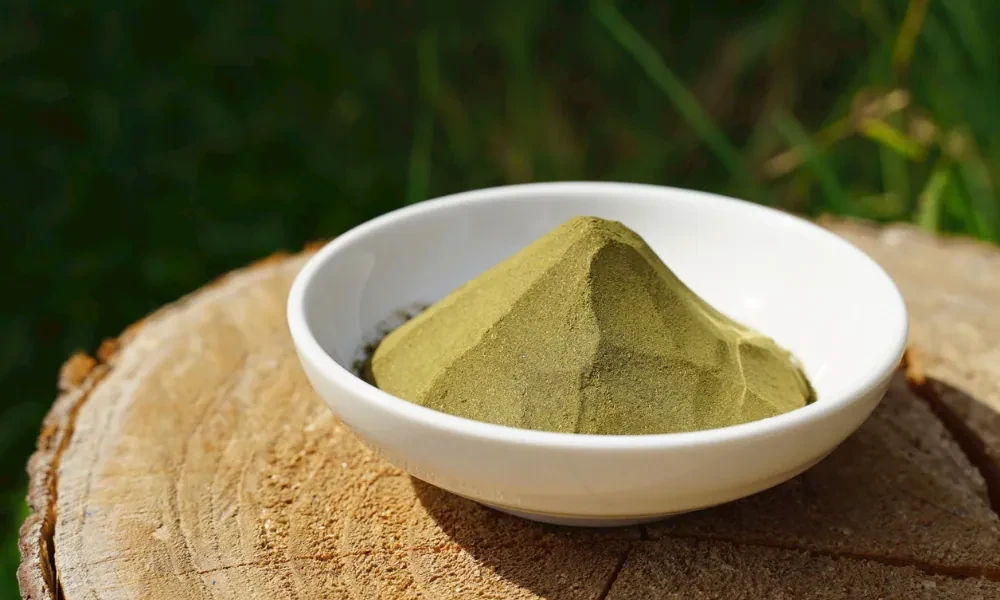
The form of a product influences its appearance, storage needs, and ease of handling. Powder is finely ground, while dried leaves retain more of their original shape. Capsules contain measured amounts of powdered material within an outer shell. Extracts are concentrated preparations that may differ in strength and composition.
- Fine powder offers a consistent texture for easy visual comparison.
- Dried leaves retain visible details from the original plant.
- Capsules provide premeasured portions in a compact format.
- Extracts contain concentrated plant compounds in smaller quantities.
- Tablets offer a firm shape with clearly stated serving sizes.
Each form has distinct handling features. Reading the product label helps explain its contents, preparation method, and intended use. Clear descriptions make it easier to compare similar items without relying on appearance alone.
Understanding Labels And Quality
Product labels provide useful details about the variety, quantity, and preparation method. Clear packaging identifies the contents while offering guidance about storage. Shoppers can compare descriptions to understand differences between products from separate sellers. When researching where to buy kratom, checking labeling details helps narrow the search to sellers who provide clear product information.
Useful details to review include the listed plant variety, ingredient information, batch identification, and storage instructions. Packaging should clearly state the quantity supplied. A seller that shares product specifications makes comparisons easier.
Processing And Texture Differences
Processing influences the texture, color, and form of plant based products. Grinding produces a fine powder, while drying helps preserve the leaf before further preparation. Some products undergo additional processing to create concentrated forms. These differences explain why items within the same variety can have different appearances.
Making Informed Product Comparisons
A useful comparison begins with the product name, listed ingredients, form, and preparation details. Shoppers can use these details to understand what distinguishes one item from another. Clear descriptions are especially useful when several products share similar labels. Reviewing available information encourages informed decisions based on specific product characteristics.
Before selecting an item, consider its labeling, packaging, quantity, and stated composition. Kratom products can vary in alkaloid content, purity, and strength, so appearance alone cannot establish quality or effects. These products may also cause dependence or other adverse effects. Careful label review and reliable product information help support a more informed assessment.