

Hair concerns can develop gradually, making consistent care important. Short treatment appointments offer a practical way forward. PRP for hair Melbourne services provide focused support through platelet-rich plasma therapy. The approach uses a person’s own blood components during a brief clinical session. Treatment planning can address thinning patterns, scalp condition, and individual goals. Understanding session length, preparation, recovery, and expected progress helps patients make informed choices.
Short sessions simplify ongoing hair care
PRP treatment can fit into demanding weekly schedules. A typical appointment involves blood collection, preparation, and scalp application. The process remains focused rather than time-consuming. Clinical assessment comes first, ensuring treatment targets relevant areas. Short visits also make follow-up appointments easier to maintain. Consistency matters because hair changes require sustained attention over time.
What happens during each appointment?
The procedure follows several controlled stages, each serving a purpose.
- Blood is collected through a standard clinical draw.
- A centrifuge separates platelet-rich plasma from other components.
- The prepared plasma targets selected scalp areas.
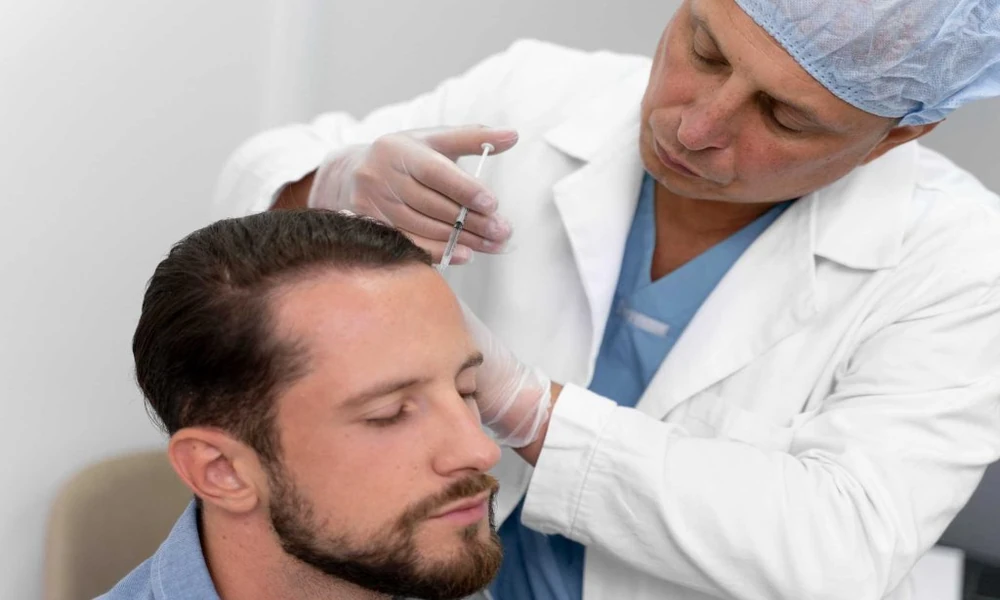
- Fine injections deliver treatment around thinning regions.
- The scalp receives brief post-treatment care.
This streamlined process keeps appointments organized and predictable. Individual session duration can vary with treatment plans.
PRP supports targeted scalp treatment
Platelet-rich plasma contains concentrated platelets and growth-associated proteins. Applied around thinning areas, the preparation supports the scalp’s natural repair environment. The injection pattern depends on density, distribution, and clinical assessment. For people seeking PRP for hair Melbourne, treatment plans can therefore remain specific to individual scalp needs.
Treatment is not designed as an instant cosmetic change. Hair follicles operate through gradual growth cycles. Early appointments establish a treatment routine, while later sessions focus on maintaining the intended approach. Clinical review helps determine whether adjustments are appropriate.
Can recovery remain manageable?
Most appointments involve little disruption to normal routines. Mild scalp tenderness, redness, or sensitivity can occur after injections. These effects tend to be temporary and require straightforward aftercare.
Patients can support smoother recovery by following clinic instructions carefully.
- Gentle scalp care can reduce irritation.
- Strenuous exercise may require temporary adjustment.
- Harsh hair products can be avoided after treatment.
- Medical advice should guide individual aftercare.
Recovery expectations differ according to scalp sensitivity and treatment intensity.
Why does session consistency matter?
Hair restoration strategies depend on repeated follicular support. Spacing appointments according to clinical recommendations allows progress to be assessed over time. Follow-up visits also create opportunities to review density, scalp condition, and changing concerns.
A structured schedule can prevent treatment decisions from becoming reactive. Photographic comparisons provide useful visual evidence between appointments. Rather than relying on daily mirror checks, patients can assess changes across longer intervals. This approach offers a clearer perspective on gradual hair development.
A routine built around realistic expectations
Convenience becomes valuable when treatment remains compatible with everyday commitments. Short PRP sessions can reduce scheduling barriers without turning hair care into an elaborate routine. However, results depend on individual factors, including follicular health and the underlying cause of thinning.
The most useful perspective is measured rather than immediate. A treatment session takes limited time, yet its evaluation belongs to a longer timeline. That difference helps patients judge progress more realistically.
FAQs
How long does a PRP hair session take?
Appointment length varies according to the clinical plan and scalp area. Blood collection, preparation, injections, and aftercare form the main stages.
Is PRP treatment suitable for every hair concern?
Suitability depends on the cause, pattern, and condition of thinning. A qualified clinician can assess whether PRP offers appropriate support.
What happens after a PRP appointment?
Temporary redness, tenderness, or scalp sensitivity can occur. Following personalized aftercare guidance supports comfortable recovery.
When can progress from PRP be assessed?
Hair growth follows natural cycles rather than immediate cosmetic timelines. Clinical reviews and consistent photographs can provide clearer progress comparisons.