

Key Takeaways
- Transitional care provides a vital bridge between acute hospital treatment and a safe return to home life.
- Personalised rehabilitation plans focus on the specific goals and needs of each senior, ensuring a more effective recovery.
- Professional services include family education and home assessments to prevent hospital readmissions and support long-term independence.
Introduction
Leaving the hospital after a major surgery or illness is a significant milestone, but it is rarely the end of the recovery journey. For many seniors, the period immediately following a hospital stay is a vulnerable time. You might find that the transition back to a domestic environment is more challenging than expected. This is where transitional care services play a vital role. Instead of just focusing on the administrative act of discharge, these services aim to bridge the gap between acute hospital care and returning home safely.
The goal is to ensure that the patient continues to heal in a supportive environment that reduces the risk of being readmitted to the hospital. It is about providing a structured pathway to recovery that addresses both physical and emotional needs. When senior care is managed with this level of continuity, the outcomes are significantly better. It allows families to breathe a sigh of relief, knowing that their loved ones are in professional hands during this critical window of time.
Bridging the Gap Between Hospital and Home
Transitional care is more than just a temporary stay; it is a dedicated programme designed to rebuild strength and confidence. When a patient moves from a high-intensity hospital ward to a home setting, the sudden drop in supervision can be jarring. Transitional care services in Singapore provide a middle ground where medical oversight is still available, but the environment is much more relaxed. This gradual step-down approach helps the patient adjust to a new routine without the immediate pressure of managing their own care.
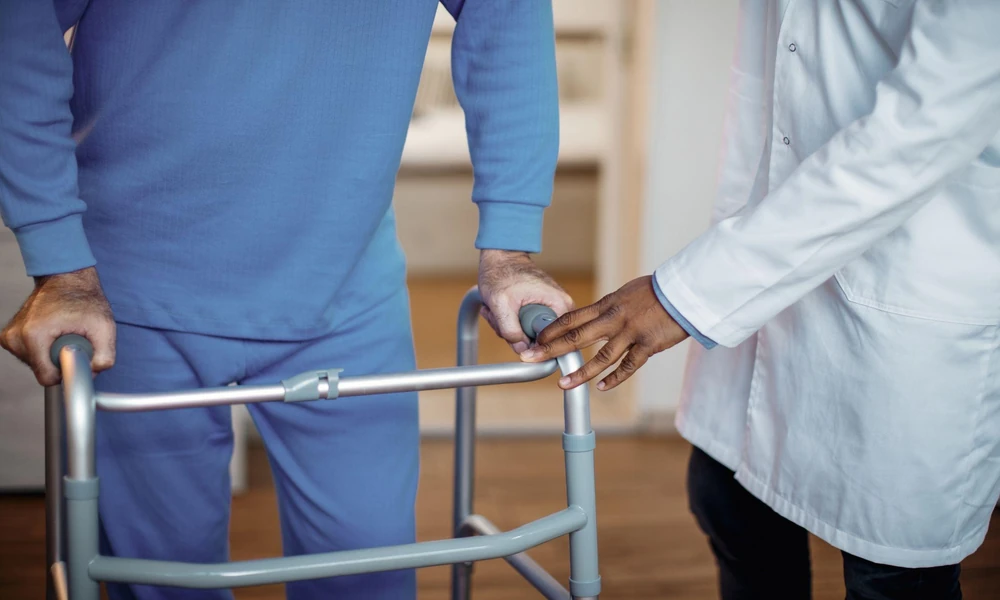
During this phase, the focus is on functional recovery. This might include intensive physiotherapy to regain mobility or occupational therapy to relearn daily tasks like dressing or cooking safely. The staff are trained to monitor for any complications that might arise, such as infections or adverse reactions to new medications. By catching these issues early, they prevent the “revolving door” phenomenon where patients end up back in the emergency room. It is a proactive way to manage senior care that prioritises long-term health.
Personalised Rehabilitation and Care Planning
Every recovery is unique, and a one-size-fits-all approach simply does not work for seniors. A quality transitional care programme starts with a comprehensive assessment of the individual’s needs and goals. What does recovery look like for them? For some, it might be the ability to walk to the shops again; for others, it might be managing their own diabetes medication. By tailoring the plan to these specific objectives, the care becomes much more meaningful and effective.
This personalised approach also involves the family. You know what? Education is a huge part of transitional care. Caregivers need to understand how to assist their loved ones once they finally return home. This might involve learning how to use mobility aids or understanding complex dietary requirements. By involving everyone in the recovery process, the transition home becomes much smoother and less stressful. It builds a support network that is ready and capable of maintaining the progress made during the transitional period.
The Importance of Holistic Well-being in Recovery
Recovery is not just about the body; it is also about the mind and spirit. Being in a hospital for a long time can be isolating and demoralising for a senior. Transitional care services place a high value on the emotional aspects of healing. This includes providing a comfortable, home-like environment where residents can socialise and engage in activities they enjoy. A positive mental state is a powerful catalyst for physical recovery, often leading to faster and more sustained improvements.
Nutrition also plays a critical role in the healing process. Many seniors lose weight or become malnourished during a hospital stay. A dedicated senior care facility will focus on providing high-quality, nutritious meals that are specifically designed to support recovery. Whether it is increasing protein intake for wound healing or managing salt for heart health, the dietary plan is an integral part of the overall care. When the body is properly fueled, the rehabilitation efforts are much more likely to succeed.
Preparing for a Sustainable Return to the Community
The ultimate aim of transitional care is to prepare the individual for a successful return to their normal life. This includes a thorough home assessment before the move back. Professionals can identify potential hazards, such as loose rugs or poor lighting, and suggest modifications to make the home safer. They might also help set up community supports, such as meal delivery services or home-based nursing care. This ensures that the progress made during recovery is not lost once they are back in their own environment.
A sustainable return also means ensuring that the patient and their family feel confident in their ability to manage. This confidence comes from the skills and knowledge gained during the transitional stay. By the time discharge day arrives, it should feel like a natural next step rather than a daunting leap into the unknown. Transitional care services provide that essential safety net, ensuring that every senior has the best possible chance of regaining their independence and quality of life.
Conclusion
Recovery is a journey that requires time, patience, and professional support. By choosing transitional care services, you are investing in a process that prioritises actual healing over mere discharge. These services provide the medical expertise and rehabilitative support necessary for a senior to regain their strength safely. When senior care is handled with this level of detail and compassion, it sets the stage for a healthier and more independent future. It is about giving your loved one the space and tools they need to truly get back on their feet.
To ensure your loved one has the best support for their recovery journey, get in touch with us at Orange Valley today to learn more about our transitional care.